
How to Choose Shirts That Don’t Fade After Washing
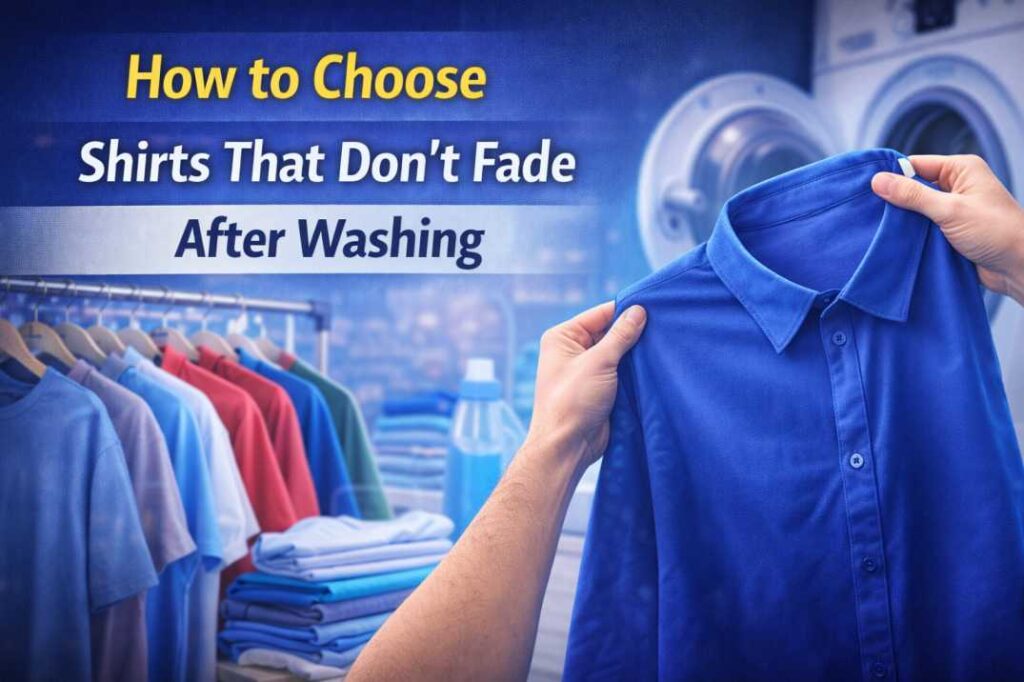
Buying a new shirt often comes with the excitement of wearing fresh colors and crisp fabrics. However, many people face a common problem after a few washes: the shirt starts losing its color, looking dull, faded, or worn out much sooner than expected. This issue can be frustrating, especially when you invest in clothing expecting it to last for a long time.
Choosing shirts that don’t fade after washing is not just about picking a good color. It involves understanding fabric quality, dyeing techniques, washing practices, and garment construction. A well-made shirt with high-quality materials can maintain its color and appearance even after multiple washes.
Featured Shirts You May Like
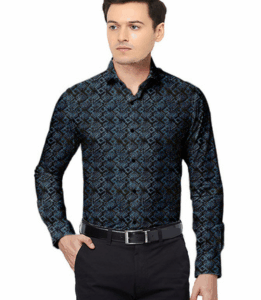
Shiffon Shirt For Man Cotton Formal Full Sleeve Spread Collar Size M Medium L Large Size Xl Extra Large Designed Two Colour Dark Blue & Sky Blue
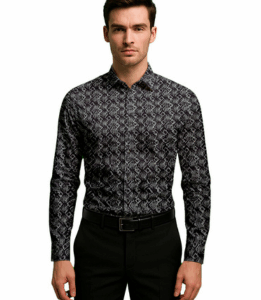
Shiffon Men’s Regular Fit Solid Soft Touch Cotton Casual & Formal Shirt | Spread Collar Full Sleeves Formal Shirt | Plain | Shirt for Men | Premium Cotton | Breathable Fabric , Black + White M – Medium, L – Large, XL – Extra Large
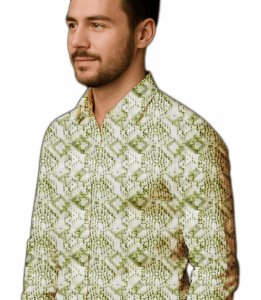
Shiffon Men’s Regular Fit Solid Soft Touch Cotton Casual & Formal Shirt | Spread Collar Full Sleeves Formal Shirt | Plain | Shirt for Men | Premium Cotton | Breathable Fabric , White + Green M – Medium, L – Large, XL – Extra Large
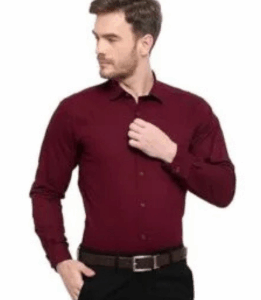
Shiffon Men’s Regular Fit Solid Soft Touch Cotton Casual & Formal Shirt | Spread Collar Full Sleeves Formal Shirt | Plain | Shirt for Men | Premium Cotton | Breathable Fabric ,Solid Plain Maroon M – Medium, L – Large, XL – Extra Large
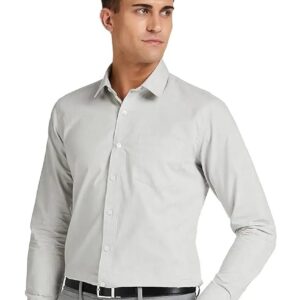
Shiffon Men’s Regular Fit Solid Soft Touch Cotton Casual & Formal Shirt | Spread Collar Full Sleeves Formal Shirt | Plain | Shirt for Men | Premium Cotton | Breathable Fabric ,Solid Plain Gray M – Medium, L – Large, XL – Extra Large
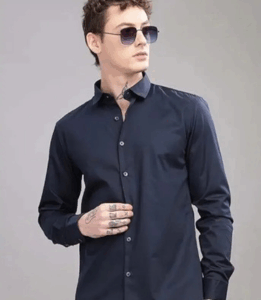
Shiffon Men’s Regular Fit Solid Soft Touch Cotton Casual & Formal Shirt | Spread Collar Full Sleeves Formal Shirt | Plain | Shirt for Men | Premium Cotton | Breathable Fabric ,Solid Plain Dark Blue, M – Medium, L – Large, XL – Extra Large
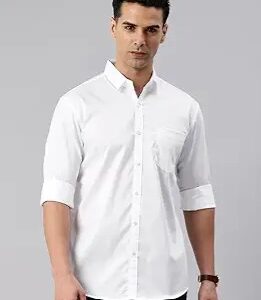
Shiffon Men’s Regular Fit Solid Soft Touch Cotton Casual & Formal Shirt | Spread Collar Full Sleeves Formal Shirt | Plain | Shirt for Men | Premium Cotton | Breathable Fabric ,Solid Plain White, M – Medium, L – Large, XL – Extra Large
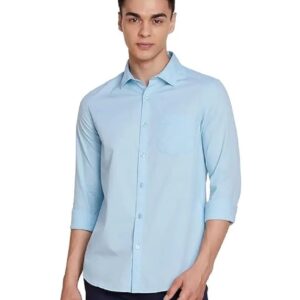
Shiffon Men’s Regular Fit Solid Soft Touch Cotton Casual & Formal Shirt | Spread Collar Full Sleeves Formal Shirt | Plain | Shirt for Men | Premium Cotton | Breathable Fabric ,Solid Plain Sky Blue, M – Medium, L – Large, XL – Extra Large
This guide explains why shirts fade, how to choose high-quality shirts that maintain their color, and the best ways to care for your clothing to keep it looking new for longer.
Why Shirts Fade After Washing
Before learning how to choose shirts that resist fading, it is important to understand why fading happens in the first place.
Fading occurs when the dye used to color the fabric begins to break down or wash away. This can happen due to several reasons, including poor fabric quality, low-quality dyes, harsh detergents, and improper washing techniques.
Some fabrics also react differently to water, sunlight, and chemicals. If the dye is not properly bonded with the fabric fibers during manufacturing, the color may fade quickly after repeated washes.
Understanding these factors helps consumers make better choices when purchasing shirts.
Fabric Quality Matters
One of the most important factors in choosing shirts that don’t fade after washing is the quality of the fabric.
High-quality fabrics hold dye more effectively than low-quality materials. Natural fabrics such as cotton with tightly woven fibers tend to retain color better than loosely woven fabrics.
Premium cotton fabrics such as combed cotton or mercerized cotton are often treated to improve dye absorption and durability.
Blended fabrics that combine cotton with synthetic fibers like polyester can also enhance color retention.
When shopping for shirts, it is helpful to feel the fabric texture. Strong and smooth fabrics are more likely to maintain their color over time.
Understanding Dyeing Techniques
The dyeing process used during manufacturing plays a significant role in how well a shirt retains its color.
Some shirts are dyed using high-quality reactive dyes that bond strongly with fabric fibers. This process ensures better color stability and reduces fading during washing.
Garment-dyed shirts are dyed after the shirt is fully stitched, which allows the dye to penetrate the entire fabric evenly.
On the other hand, low-quality dyeing processes may result in uneven or weak color bonding, causing the shirt to fade quickly.
Checking brand reputation and manufacturing quality can help ensure the shirt uses durable dyeing techniques.
Choosing Dark and Rich Colors Carefully
Dark and vibrant colors such as navy blue, black, red, and deep green can sometimes fade faster if the dye quality is poor.
However, when high-quality dyes are used, these colors can remain rich and vibrant for a long time.
When buying dark-colored shirts, check for uniform color distribution across the fabric. Uneven coloring may indicate poor dye application.
It is also helpful to wash dark shirts separately to prevent color transfer and fading.
Check Fabric Weight and Weave
The weight and weave of the fabric also influence how well a shirt retains its color.
Heavier fabrics generally hold dye better than extremely thin materials. Shirts with a dense weave allow the dye to bond more effectively with the fibers.
For example, oxford cotton shirts and twill fabrics often maintain color longer than loosely woven fabrics.
A tightly woven shirt not only retains color but also maintains its shape and durability after repeated washing.
Quality Stitching and Finishing
Although stitching does not directly affect color retention, it is often a sign of overall garment quality.
Well-made shirts typically use better fabrics and dyeing processes. If the stitching is neat and the seams are strong, it often indicates that the manufacturer has paid attention to quality.
High-quality shirts also undergo finishing treatments that help preserve fabric texture and color.
These treatments may include fabric softening, color fixation, or wrinkle resistance processes.
Look for Colorfast Labels
Some clothing brands include labels that indicate the garment has undergone colorfast treatment.
Colorfast fabrics are designed to resist fading and color bleeding during washing.
These treatments help lock the dye within the fabric fibers, making the shirt more resistant to washing and sunlight exposure.
When shopping for shirts, checking product descriptions or labels can help identify garments that are designed for long-lasting color.
Avoid Low-Quality Synthetic Dyes
Inexpensive shirts often use low-quality dyes that may look vibrant initially but fade quickly after washing.
These dyes do not bond well with fabric fibers and are easily removed by detergents or water.
Higher-quality shirts typically use advanced dyeing technologies that ensure stronger color retention.
Investing in better-quality clothing may cost slightly more initially but often results in longer-lasting garments.
Proper Washing Techniques
Even the best shirts can fade if they are not washed properly. Proper washing techniques play an important role in maintaining shirt color.
Turning shirts inside out before washing helps reduce friction between fabrics, which can damage the outer color layer.
Using cold water instead of hot water helps preserve dye stability and prevents color fading.
Gentle wash cycles are also recommended for delicate fabrics.
By following simple washing practices, you can extend the life of your shirts and maintain their original appearance.
Choosing the Right Detergent
Harsh detergents can strip dye from fabrics and accelerate fading.
Using mild or color-safe detergents helps protect the fabric and maintain color vibrancy.
Some detergents are specifically designed for dark or colored clothing. These products contain ingredients that reduce fading and color bleeding.
Avoid using excessive detergent, as residue buildup can also affect fabric quality over time.
Avoid Excessive Sunlight Exposure
Sunlight can gradually fade fabric colors, especially darker shades.
Drying shirts under direct sunlight for long periods can cause colors to lose their brightness.
Whenever possible, air-dry shirts in shaded areas with good airflow.
Indoor drying racks can also help protect fabrics from sun damage while maintaining their shape.
Limit Frequent Washing
Washing clothes too frequently can contribute to color fading.
Unless the shirt is heavily soiled, it may not need to be washed after every use.
Allowing shirts to air out after wearing can help keep them fresh while reducing unnecessary washing.
This practice helps preserve both the color and fabric quality.
Ironing with Care
High heat from ironing can sometimes affect fabric dyes.
Using moderate heat settings appropriate for the fabric type helps prevent color damage.
Ironing shirts inside out can also protect the visible outer surface of the fabric.
Proper ironing techniques help maintain the overall appearance of shirts without harming their color.
Investing in Quality Shirts
Choosing well-made shirts from reputable brands increases the likelihood of finding shirts that don’t fade after washing.
Quality brands typically invest in better fabric sourcing, advanced dyeing processes, and strict quality control during manufacturing.
These factors contribute to garments that maintain their color, shape, and texture for a longer period.
Although high-quality shirts may have a higher initial price, they often offer better value over time due to their durability.
Building a Long-Lasting Wardrobe
A wardrobe built with high-quality garments can significantly reduce the need for frequent replacements.
Choosing shirts made from durable fabrics, proper dyeing methods, and careful construction helps ensure long-term performance.
Combining quality purchases with proper garment care can keep shirts looking fresh and vibrant even after many washes.
This approach not only saves money but also promotes sustainable fashion practices.
Conclusion
Color fading is a common issue that affects many garments, but it can often be avoided by choosing better-quality clothing and following proper care practices. Understanding how fabrics, dyes, and washing methods affect clothing can help consumers make smarter wardrobe choices.
Selecting shirts that don’t fade after washing involves paying attention to fabric quality, dyeing techniques, construction details, and maintenance practices. By investing in well-made shirts and caring for them properly, you can enjoy clothing that maintains its color, style, and comfort for a long time.
A little attention during the buying process and proper garment care can go a long way in ensuring your shirts remain vibrant and stylish even after repeated washing.