
How to Choose the Right Shirt Size Without Measuring Tape
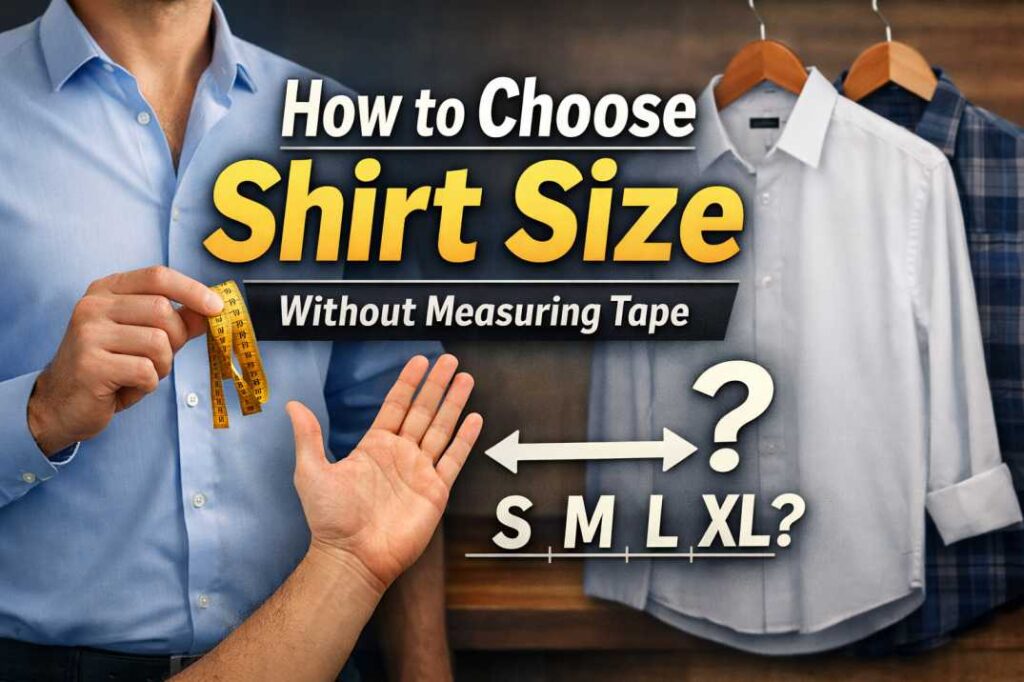
Finding the perfect shirt size can feel challenging, especially when you don’t have a measuring tape handy. Whether you’re shopping online, browsing in-store without assistance, or simply unsure about your exact measurements, choosing the right fit doesn’t have to be complicated. With a few practical techniques and a good understanding of how shirts are designed, you can confidently select a size that looks and feels just right.
In this guide, we’ll walk you through everything you need to know about how to choose shirt size without measuring tape, using simple everyday methods that actually work.
Featured Shirts You May Like
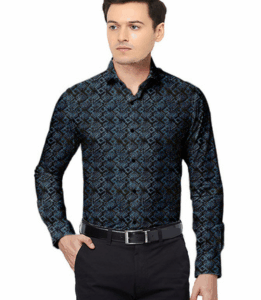
Shiffon Shirt For Man Cotton Formal Full Sleeve Spread Collar Size M Medium L Large Size Xl Extra Large Designed Two Colour Dark Blue & Sky Blue
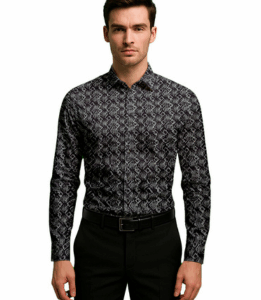
Shiffon Men’s Regular Fit Solid Soft Touch Cotton Casual & Formal Shirt | Spread Collar Full Sleeves Formal Shirt | Plain | Shirt for Men | Premium Cotton | Breathable Fabric , Black + White M – Medium, L – Large, XL – Extra Large
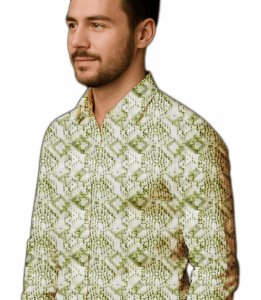
Shiffon Men’s Regular Fit Solid Soft Touch Cotton Casual & Formal Shirt | Spread Collar Full Sleeves Formal Shirt | Plain | Shirt for Men | Premium Cotton | Breathable Fabric , White + Green M – Medium, L – Large, XL – Extra Large
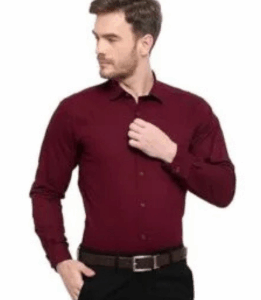
Shiffon Men’s Regular Fit Solid Soft Touch Cotton Casual & Formal Shirt | Spread Collar Full Sleeves Formal Shirt | Plain | Shirt for Men | Premium Cotton | Breathable Fabric ,Solid Plain Maroon M – Medium, L – Large, XL – Extra Large
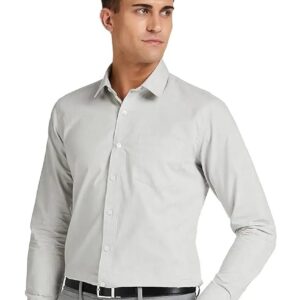
Shiffon Men’s Regular Fit Solid Soft Touch Cotton Casual & Formal Shirt | Spread Collar Full Sleeves Formal Shirt | Plain | Shirt for Men | Premium Cotton | Breathable Fabric ,Solid Plain Gray M – Medium, L – Large, XL – Extra Large
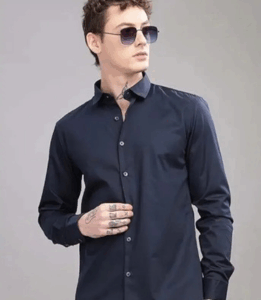
Shiffon Men’s Regular Fit Solid Soft Touch Cotton Casual & Formal Shirt | Spread Collar Full Sleeves Formal Shirt | Plain | Shirt for Men | Premium Cotton | Breathable Fabric ,Solid Plain Dark Blue, M – Medium, L – Large, XL – Extra Large
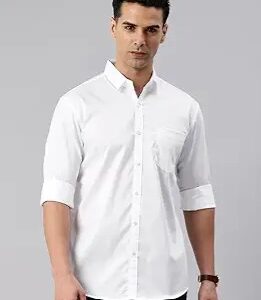
Shiffon Men’s Regular Fit Solid Soft Touch Cotton Casual & Formal Shirt | Spread Collar Full Sleeves Formal Shirt | Plain | Shirt for Men | Premium Cotton | Breathable Fabric ,Solid Plain White, M – Medium, L – Large, XL – Extra Large
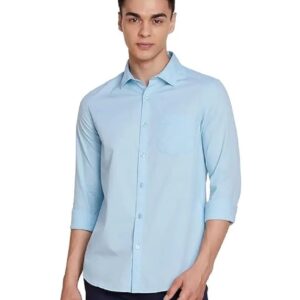
Shiffon Men’s Regular Fit Solid Soft Touch Cotton Casual & Formal Shirt | Spread Collar Full Sleeves Formal Shirt | Plain | Shirt for Men | Premium Cotton | Breathable Fabric ,Solid Plain Sky Blue, M – Medium, L – Large, XL – Extra Large
Why Shirt Size Matters More Than You Think
A well-fitted shirt does more than just cover your body—it enhances your overall appearance, boosts confidence, and ensures comfort throughout the day. Wearing the wrong size can lead to several issues:
- Too tight: restricts movement and looks uncomfortable
- Too loose: appears sloppy and unstructured
- Poor shoulder fit: ruins the entire silhouette
- Incorrect sleeve length: makes even premium shirts look cheap
Understanding your size—even approximately—can help you avoid these problems and elevate your style instantly.
Understand Standard Shirt Sizing Basics
Before diving into methods, it’s important to understand how shirt sizes are typically categorized. Most brands use:
- Small (S), Medium (M), Large (L), XL, XXL
- Or numerical sizing based on chest measurements (e.g., 38, 40, 42)
Each size corresponds roughly to chest width, shoulder width, and sleeve length. Even without measuring tape, you can estimate where you fall within these categories.
Method 1: Use a Well-Fitting Shirt You Already Own
One of the easiest ways to determine your size is by using a shirt that already fits you perfectly.
What to do:
- Pick your best-fitting shirt (not too tight, not too loose)
- Lay it flat on a surface
- Observe how it fits on your body
Key areas to check:
- Shoulders: seams should align with your shoulder edges
- Chest: no pulling or excess fabric
- Length: should cover your waist comfortably
- Sleeves: end around your wrist bone
Once you identify this shirt, check its size label. That size will likely be your safest choice when shopping again.
Method 2: Compare with Your Body Using Hand Span
If you don’t have a measuring tape, your hand can act as a rough measuring tool.
Approximate guide:
- One hand span (thumb to little finger stretched) ≈ 8–9 inches
How to use it:
- Measure across your chest using your hand span
- Multiply accordingly
For example:
- If your chest width (half) is about 2.5 hand spans, your full chest is around 40–44 inches
- This typically corresponds to Medium or Large
This method isn’t perfectly accurate, but it gives a reasonable estimate.
Method 3: Use Your Height and Weight as a Guide
Many brands design shirts based on general body proportions. You can use your height and weight to estimate your size.
General guideline:
| Height | Weight | Likely Size |
|---|---|---|
| 5’5″–5’7″ | 55–65 kg | Small |
| 5’7″–5’9″ | 65–75 kg | Medium |
| 5’9″–6’0″ | 75–85 kg | Large |
| 6’0″+ | 85 kg+ | XL or above |
This method works best if your body proportions are average. If you have a broader chest or slimmer waist, you may need to adjust accordingly.
Method 4: Check Shoulder Fit First
Shoulders are the most important part of shirt fitting. Even without measurements, you can visually assess this.
How to check:
- Wear a shirt and look in the mirror
- Shoulder seams should sit exactly at the edge of your shoulders
If the seam:
- Falls inward → shirt is too small
- Falls outward → shirt is too big
If you get the shoulders right, the rest of the shirt can often be adjusted or will naturally fall into place.
Method 5: Use Neck Fit as an Indicator
The collar can tell you a lot about the shirt size.
Try this:
- Button the top button of your shirt
- You should be able to fit two fingers comfortably between your neck and collar
If it’s:
- Too tight → size up
- Too loose → size down
This is especially useful for formal shirts where collar fit is crucial.
Method 6: Observe Sleeve Length Without Measuring
Sleeve length is another key factor in choosing the right shirt size.
Ideal sleeve length:
- Ends at your wrist bone
- Slightly covers the watch area
- Doesn’t ride up when you move your arms
Quick test:
Raise your arms slightly. If the sleeves pull too far up, the shirt may be too small.
Method 7: Use Brand Size Charts Smartly
Even without exact measurements, size charts can still help.
What to do:
- Look at the size chart on the website
- Compare with your best-fitting shirt size or estimated chest size
- Choose the closest match
Tip: If you’re between sizes, go for the larger one—especially for casual shirts.
Slim Fit vs Regular Fit: Choose Carefully
Knowing your fit preference can also help you decide the right size.
Slim Fit:
- Tapered around chest and waist
- Best for lean or athletic builds
- May require sizing up if unsure
Regular Fit:
- More relaxed and comfortable
- Suitable for most body types
- Safer choice when estimating size
Common Mistakes to Avoid
When learning how to choose shirt size, many people make simple but costly mistakes:
1. Ignoring Shoulder Fit
Even a slightly off shoulder fit can ruin the look.
2. Choosing Based Only on Size Label
Sizes vary across brands. Always compare fit, not just label.
3. Going Too Tight for Style
A tight shirt may look trendy but often feels uncomfortable and limits movement.
4. Overlooking Fabric Type
Cotton shirts may shrink slightly, while blends may stretch. Keep this in mind.
Tips for Online Shopping Without Measurements
Buying shirts online without measurements can be tricky, but these tips can help:
- Always read product descriptions carefully
- Check model height and size reference
- Look at customer reviews for sizing feedback
- Stick to brands you’ve worn before
- When in doubt, choose one size bigger
Signs You’ve Chosen the Right Shirt Size
You’ll know your shirt fits perfectly if:
- You can move your arms freely
- Buttons don’t pull at the chest
- The shirt drapes naturally on your body
- The collar feels comfortable
- The length covers your waist without being too long
A good fit should feel effortless—not restrictive or awkward.
Adapting for Different Occasions
Different occasions may require slightly different fits:
Formal Wear:
- Slightly structured fit
- Perfect collar and sleeve length
- Clean shoulder alignment
Casual Wear:
- More relaxed fit
- Slightly looser for comfort
- Can experiment with oversized styles
Understanding this helps you choose the right size based on purpose, not just measurements.
Final Thoughts
Learning how to choose shirt size without a measuring tape is all about observation, comparison, and understanding your body. While exact measurements are helpful, they are not always necessary. By using a well-fitting shirt as reference, checking key areas like shoulders and collar, and considering your height and weight, you can make confident sizing decisions every time.
The key is to focus on fit rather than numbers. Once you understand how a shirt should sit on your body, choosing the right size becomes second nature.
Whether you’re shopping online or in-store, these simple techniques will help you avoid sizing mistakes and ensure you always look polished, comfortable, and stylish.