
How to Identify Good Quality Cotton Shirts Before Buying
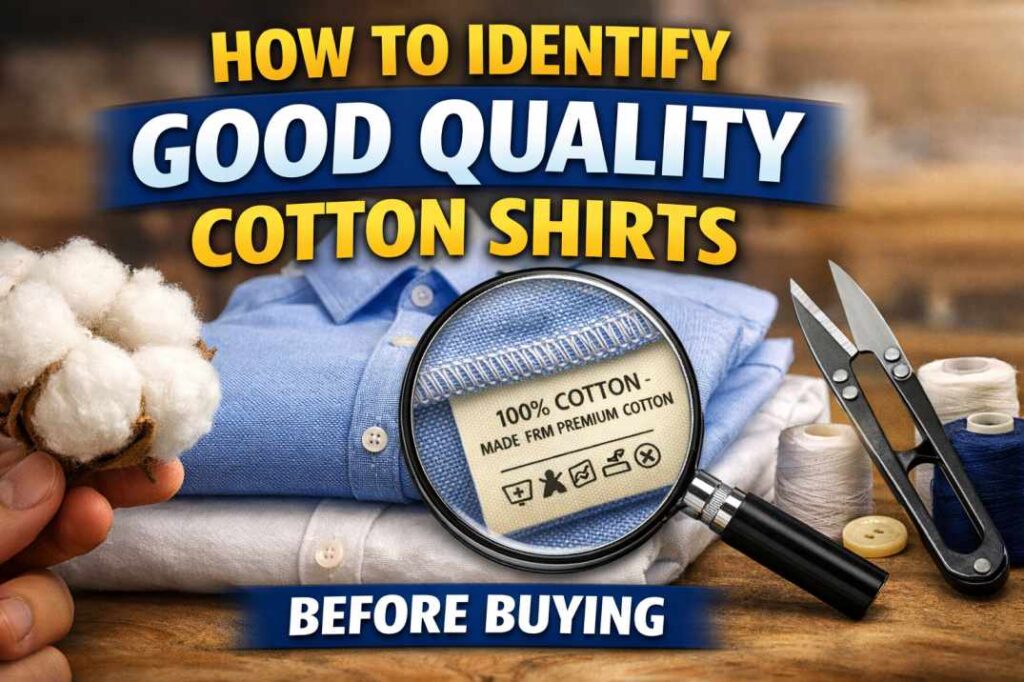
Buying a cotton shirt may seem simple, but not all cotton shirts are created equal. Two shirts can look similar on the rack yet feel completely different after a few washes. One retains its softness, shape, and color, while the other fades, shrinks, or loses comfort quickly. Knowing how to identify good quality cotton shirts before buying can help you make smarter choices, save money in the long run, and build a wardrobe that truly lasts.
This detailed guide walks you through every important factor—fabric type, weave, stitching, finishing, fit, and care—so you can confidently judge cotton shirt quality whether you are shopping online or in-store.
Featured Shirts You May Like
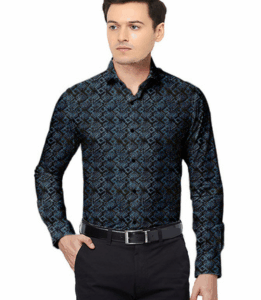
Shiffon Shirt For Man Cotton Formal Full Sleeve Spread Collar Size M Medium L Large Size Xl Extra Large Designed Two Colour Dark Blue & Sky Blue
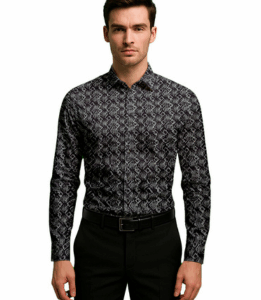
Shiffon Men’s Regular Fit Solid Soft Touch Cotton Casual & Formal Shirt | Spread Collar Full Sleeves Formal Shirt | Plain | Shirt for Men | Premium Cotton | Breathable Fabric , Black + White M – Medium, L – Large, XL – Extra Large
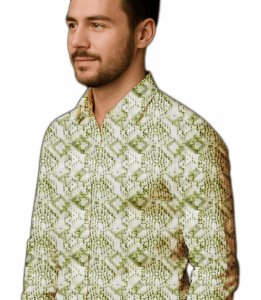
Shiffon Men’s Regular Fit Solid Soft Touch Cotton Casual & Formal Shirt | Spread Collar Full Sleeves Formal Shirt | Plain | Shirt for Men | Premium Cotton | Breathable Fabric , White + Green M – Medium, L – Large, XL – Extra Large
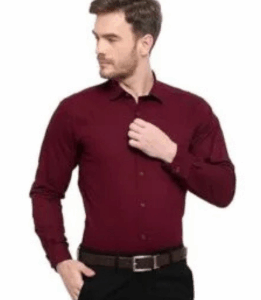
Shiffon Men’s Regular Fit Solid Soft Touch Cotton Casual & Formal Shirt | Spread Collar Full Sleeves Formal Shirt | Plain | Shirt for Men | Premium Cotton | Breathable Fabric ,Solid Plain Maroon M – Medium, L – Large, XL – Extra Large
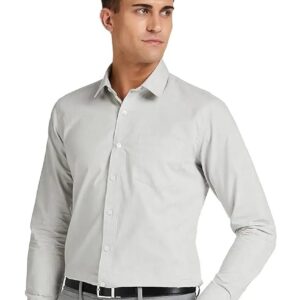
Shiffon Men’s Regular Fit Solid Soft Touch Cotton Casual & Formal Shirt | Spread Collar Full Sleeves Formal Shirt | Plain | Shirt for Men | Premium Cotton | Breathable Fabric ,Solid Plain Gray M – Medium, L – Large, XL – Extra Large
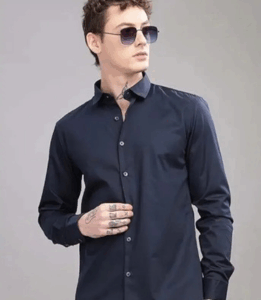
Shiffon Men’s Regular Fit Solid Soft Touch Cotton Casual & Formal Shirt | Spread Collar Full Sleeves Formal Shirt | Plain | Shirt for Men | Premium Cotton | Breathable Fabric ,Solid Plain Dark Blue, M – Medium, L – Large, XL – Extra Large
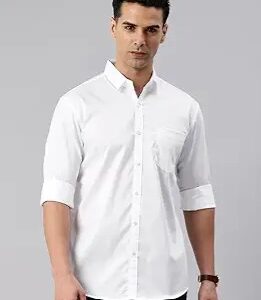
Shiffon Men’s Regular Fit Solid Soft Touch Cotton Casual & Formal Shirt | Spread Collar Full Sleeves Formal Shirt | Plain | Shirt for Men | Premium Cotton | Breathable Fabric ,Solid Plain White, M – Medium, L – Large, XL – Extra Large
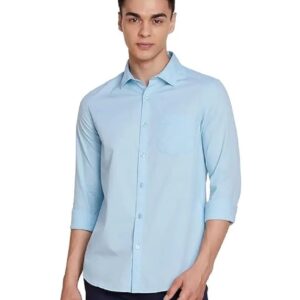
Shiffon Men’s Regular Fit Solid Soft Touch Cotton Casual & Formal Shirt | Spread Collar Full Sleeves Formal Shirt | Plain | Shirt for Men | Premium Cotton | Breathable Fabric ,Solid Plain Sky Blue, M – Medium, L – Large, XL – Extra Large
Why Cotton Quality Matters
Cotton is one of the most popular fabrics in the world because it is breathable, comfortable, and versatile. However, the quality of cotton varies widely depending on fiber length, processing, weaving, and finishing.
A good quality cotton shirt:
Feels comfortable against the skin
Allows airflow and absorbs moisture
Maintains its shape after washing
Resists pilling and excessive fading
Looks polished for years, not months
Understanding these qualities helps you avoid shirts that look good initially but wear out quickly.
Start with the Fabric Feel
One of the easiest ways to identify good quality cotton shirts is by touch. Pick up the shirt and gently rub the fabric between your fingers.
High-quality cotton feels:
Smooth but not slippery
Soft without being flimsy
Substantial, not paper-thin
Low-quality cotton often feels rough, overly stiff, or excessively thin. While lightweight cotton can still be high quality, it should never feel weak or scratchy.
Also try crumpling a small section of the shirt in your hand. Better cotton springs back with fewer deep creases, while poor-quality cotton wrinkles heavily and stays crumpled.
Understand Different Types of Cotton
Not all cotton fibers are the same. The length and strength of the fiber play a major role in durability and comfort.
Short-Staple Cotton
Short-staple cotton has shorter fibers and is commonly used in mass-produced shirts. These fibers tend to break more easily, leading to rough texture, pilling, and faster wear.
Long-Staple and Extra-Long-Staple Cotton
Longer fibers produce smoother, stronger yarns. Shirts made from long-staple cotton feel softer, last longer, and resist pilling. Extra-long-staple cotton is often used in premium shirts and luxury garments.
When learning how to identify good quality cotton shirts, always check if the brand mentions long-staple or premium cotton on the label or product description.
Check the Fabric Weave
The weave of the fabric affects breathability, texture, and durability. Examining the weave can tell you a lot about quality.
Poplin
Poplin has a tight, smooth weave and a crisp finish. It is lightweight yet durable and ideal for formal and office wear.
Twill
Twill has a diagonal pattern that makes it slightly heavier and more wrinkle-resistant. High-quality twill cotton shirts drape well and feel luxurious.
Oxford
Oxford fabric is more textured and slightly thicker. Good quality Oxford cotton shirts are breathable, sturdy, and excellent for casual or semi-formal wear.
Avoid fabrics with uneven weaving, loose threads, or visible gaps between yarns. Consistent, tight weaving usually indicates better craftsmanship.
Hold the Shirt Up to the Light
A simple yet effective test is to hold the shirt up against a light source.
What to look for:
Even fabric density across the shirt
No thin patches or transparency unless intentionally lightweight
Uniform weave without irregular gaps
If the shirt appears patchy or overly transparent in certain areas, it may be made from inferior cotton or loosely spun yarns.
Inspect the Stitching Closely
Stitching quality is one of the clearest indicators of a well-made cotton shirt.
Good quality cotton shirts have:
Straight, even stitches
Small, tight stitch length
No loose threads or skipped stitches
Check key areas such as the collar, shoulders, cuffs, and side seams. Poor stitching in these high-stress areas often leads to early tearing or seam failure.
Also examine whether the seams are reinforced and neatly finished on the inside. Clean inner seams show attention to detail and durability.
Examine the Buttons and Buttonholes
Buttons may seem minor, but they reveal a lot about shirt quality.
High-quality cotton shirts typically feature:
Thick buttons made from durable materials
Secure stitching, often with a cross-stitch pattern
Neatly cut, reinforced buttonholes
Try gently tugging on a button. If it feels loose or poorly attached, the shirt may not last long. Good buttonholes should feel firm and not fray easily.
Assess the Collar and Cuffs
The collar and cuffs experience the most wear, so their construction matters greatly.
Signs of good quality:
Firm but flexible collars
Even interfacing without bubbles or stiffness
Cuffs that hold shape without curling
Cheap cotton shirts often have collars that collapse after washing or feel overly stiff due to low-grade interfacing.
Check the Shirt’s Weight and Density
While heavier does not always mean better, extremely light cotton shirts often indicate lower quality fibers.
A quality cotton shirt:
Has a balanced weight
Feels substantial without being bulky
Drapes naturally on the body
If the shirt feels overly flimsy, it may lose shape quickly and wear out after repeated washing.
Look at the Dye and Color Quality
Color quality is another key factor when learning how to identify good quality cotton shirts.
Examine the fabric under good lighting:
Colors should appear rich and even
No patchiness or uneven dyeing
Patterns should align well at seams
Lightly rub a small area of the shirt with your fingers. If color transfers easily, it may fade quickly after washing.
Read the Care Label Carefully
Care labels provide valuable clues about fabric quality and treatment.
Good quality cotton shirts often:
Require gentle or normal machine wash
Do not demand excessive special care
Mention pre-shrunk or color-fast treatments
If a shirt requires extreme care despite being everyday wear, it may not be practical for regular use.
Understand Shrinkage and Pre-Treatment
Cotton naturally shrinks, but premium shirts are often pre-shrunk during manufacturing.
Check for:
“Pre-shrunk” or “treated for shrinkage” on the label
Consistent sizing information
A lack of shrinkage control may result in a shirt that fits perfectly at first but becomes unusable after washing.
Evaluate the Fit and Cut
Even the best cotton fabric will disappoint if the cut is poor.
A well-made cotton shirt:
Sits smoothly across the shoulders
Has balanced sleeve length
Allows comfortable movement without pulling
High-quality brands pay close attention to proportions and tailoring, which enhances both comfort and appearance.
Consider Breathability and Comfort
One of cotton’s biggest advantages is breathability. To test this:
Place the fabric near your mouth and breathe through it
Quality cotton allows airflow without feeling stuffy
Poor-quality cotton may feel suffocating, especially in warm weather.
Check for Pilling Resistance
Pilling occurs when short fibers break and tangle on the surface.
To test:
Rub two sections of fabric together
Look for immediate fuzz or fiber shedding
Good quality cotton resists pilling and maintains a smooth surface over time.
Online Shopping Tips for Identifying Quality Cotton Shirts
When buying online, you cannot touch the fabric, so rely on details.
Look for:
Clear fabric descriptions
Close-up product images
Detailed size charts
Transparent return policies
Customer reviews often reveal real-world insights into shrinkage, comfort, and durability.
Price vs Quality: Finding the Right Balance
While price alone does not guarantee quality, extremely cheap cotton shirts often compromise on fiber and construction.
Good quality cotton shirts are an investment. Paying slightly more upfront usually results in better comfort, longer lifespan, and a more refined appearance.
Final Thoughts
Knowing how to identify good quality cotton shirts empowers you to shop with confidence. By paying attention to fabric feel, weave, stitching, buttons, color, and care instructions, you can easily distinguish well-made shirts from low-quality alternatives.
A quality cotton shirt is not just a wardrobe essential—it is a long-term companion that supports your style, comfort, and confidence. Whether you are shopping for office wear, casual outings, or special occasions, these practical checks ensure every purchase is worth it.