
Shirt Buying Mistakes Men Make — And How to Avoid Them
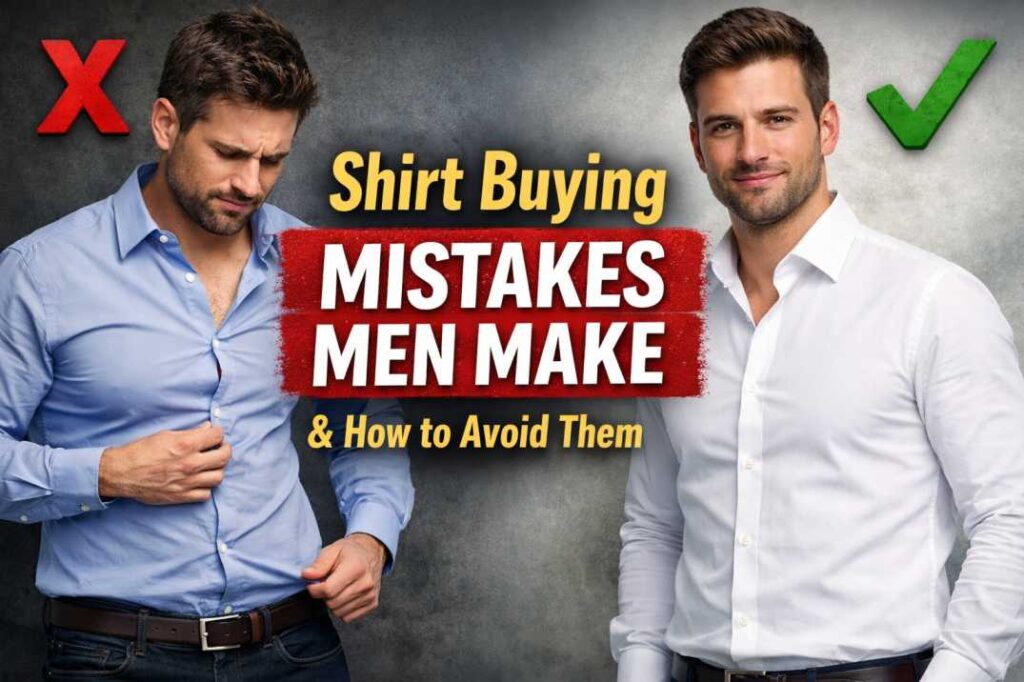
Buying a shirt may seem simple, but it’s one of the most common areas where men go wrong with their style. A poorly chosen shirt can ruin an otherwise well-put-together outfit, while the right one can instantly elevate your appearance. From incorrect fits to fabric choices and ignoring details, many men unknowingly repeat the same errors every time they shop.
This detailed guide explores the most common shirt buying mistakes men make and, more importantly, how to avoid them. Whether you’re shopping for office wear, casual outfits, or special occasions, understanding these mistakes will help you make smarter, more confident choices.
1. Choosing the Wrong Fit
One of the biggest shirt buying mistakes men make is ignoring fit. Many assume that size alone determines how a shirt will look, but fit plays a much larger role.
A shirt that’s too loose can make you look sloppy and unstructured, while one that’s too tight restricts movement and highlights areas you may not want to emphasize.
How to avoid it:
Understand the difference between slim fit, regular fit, and relaxed fit. Your body type should guide your choice. Slim fits work well for lean frames, regular fits suit most body types, and relaxed fits are ideal for comfort-focused dressing. Always check shoulder alignment, chest room, and waist taper before buying.
2. Ignoring Shoulder Fit
Many men focus on chest or waist measurements but overlook the shoulders. This is a critical mistake because the shoulders determine how the shirt sits overall.
If the shoulder seams extend beyond your natural shoulder line, the shirt will look oversized. If they fall short, the shirt will feel tight and uncomfortable.
How to avoid it:
The shoulder seam should end exactly where your shoulder naturally drops. If this isn’t right, the shirt won’t drape well no matter how good the rest of the fit seems.
3. Buying the Wrong Collar Style
The collar frames your face, yet it’s one of the most misunderstood aspects of shirt selection. Wearing the wrong collar can throw off your proportions and clash with your outfit’s formality.
How to avoid it:
For formal wear, structured collars like spread or semi-spread work best with ties. Button-down collars are more casual and great for everyday wear. Men with round faces benefit from wider collars, while narrow collars suit sharper facial features.
4. Overlooking Fabric Quality
Another major shirt buying mistake men make is prioritizing price over fabric quality. Low-quality fabrics wrinkle easily, lose shape after washing, and feel uncomfortable against the skin.
How to avoid it:
Look for breathable, durable fabrics like high-quality cotton or cotton blends. Check the weave—poplin for formal wear, twill for durability, and oxford for casual comfort. Always feel the fabric before buying if possible.
5. Choosing Style Over Comfort
Trendy designs often attract attention, but comfort should never be compromised. A shirt that looks good but feels uncomfortable will rarely be worn.
How to avoid it:
Ensure the shirt allows free movement in the arms and shoulders. Pay attention to sleeve length, armhole size, and fabric breathability. A comfortable shirt boosts confidence and ensures long-term wear.
6. Ignoring Sleeve Length
Sleeve length is another detail men frequently overlook. Sleeves that are too long or too short disrupt the balance of your outfit.
How to avoid it:
For full-sleeve shirts, cuffs should rest just at the wrist bone. When wearing a blazer, about half an inch of cuff should be visible. For short sleeves, they should end mid-bicep—not too tight, not too loose.
7. Buying Shirts Without Trying Them On
Many men rely solely on size labels, assuming consistency across brands. This often leads to disappointment because sizing standards vary widely.
How to avoid it:
Always try shirts on before buying, especially if you’re switching brands. If shopping online, check detailed size charts and customer reviews for fit guidance.
8. Choosing Loud Colors Without Considering Versatility
Bright colors and bold patterns may look exciting in-store but can be difficult to style later. This is a common shirt buying mistake men regret after purchase.
How to avoid it:
Build a foundation of versatile colors like white, light blue, navy, and grey. Add patterns and bold colors gradually, ensuring they complement your existing wardrobe.
9. Neglecting Pattern Scale
Patterns can enhance your look, but the wrong scale can overwhelm your frame. Large patterns on a small body or tiny patterns on a large frame can look unbalanced.
How to avoid it:
Choose pattern sizes proportional to your body type. Subtle stripes and small checks are safer for formal wear, while larger patterns suit casual settings.
10. Forgetting About Occasion
Wearing the same type of shirt everywhere is another common mistake. Not every shirt works for every setting.
How to avoid it:
Have different categories in your wardrobe: formal shirts for work, casual shirts for weekends, and statement pieces for special occasions. Match fabric, color, and design to the event.
11. Ignoring Button Quality and Stitching
Details matter. Cheap buttons and poor stitching reduce a shirt’s lifespan and overall appearance.
How to avoid it:
Check that buttons are securely stitched and seams are clean and even. Quality craftsmanship ensures durability and a polished look.
12. Buying Trend-Driven Shirts Only
Trends come and go, but shirts with extreme cuts or prints often go out of style quickly.
How to avoid it:
Balance trendy pieces with timeless classics. Invest in well-fitted solid shirts that remain stylish year after year.
13. Overlooking Shirt Length
Shirt length determines whether it should be tucked in or worn untucked. Many men ignore this distinction.
How to avoid it:
Formal shirts should be long enough to stay tucked. Casual shirts designed for untucked wear are slightly shorter and have a balanced hemline.
14. Not Considering Maintenance Requirements
Some shirts require special care, which many men don’t account for during purchase.
How to avoid it:
Check care labels before buying. If you prefer low-maintenance clothing, choose wrinkle-resistant fabrics and easy-wash options.
15. Buying Too Many Similar Shirts
Another subtle shirt buying mistake men make is filling their wardrobe with nearly identical shirts.
How to avoid it:
Aim for variety in color, texture, and pattern while staying within your personal style. A well-rounded wardrobe offers flexibility without redundancy.
16. Ignoring Personal Body Proportions
What looks good on a mannequin or model may not work for your body type.
How to avoid it:
Understand your proportions and choose shirts that balance them. Vertical stripes elongate the body, darker colors slim the frame, and structured fits create definition.
17. Compromising on Fit Instead of Tailoring
Many men settle for “almost right” instead of considering tailoring.
How to avoid it:
A simple alteration can transform a good shirt into a perfect one. Tailoring improves sleeve length, waist taper, and overall structure.
18. Forgetting the Role of Confidence
Even the best shirt can fail if you don’t feel confident wearing it.
How to avoid it:
Choose shirts that reflect your personality and lifestyle. Confidence is the final element that completes any outfit.
Conclusion
Understanding shirt buying mistakes men make is the first step toward dressing better. From fit and fabric to color and occasion, every detail contributes to how a shirt looks and feels. By avoiding these common pitfalls, you can build a wardrobe that is versatile, stylish, and long-lasting.
The right shirt doesn’t just improve your appearance—it enhances your confidence, comfort, and presence. Shop smarter, focus on quality, and let every shirt you wear work in your favor.