
Office Shirts That Stay Fresh All Day — Fabric & Fit Guide
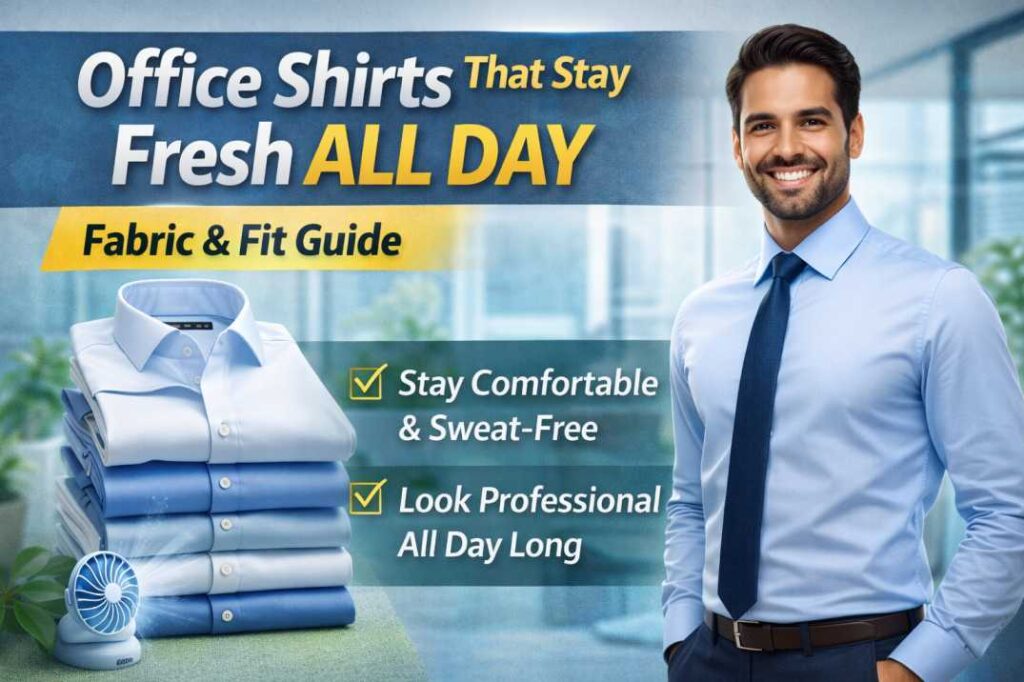
In a long workday that stretches from morning meetings to evening commutes, the shirt you wear plays a much bigger role than most people realize. An office shirt is not just about looking formal or stylish; it must also stay fresh, comfortable, and presentable throughout the day. Sweat, heat, long sitting hours, and constant movement can quickly turn a good-looking shirt into an uncomfortable one. That is why choosing office shirts that stay fresh all day is essential for modern professionals.
This detailed guide explores everything you need to know about selecting office shirts that remain crisp, breathable, and odor-free from start to finish. From fabric choices and weave types to fit, construction, and care tips, this article will help you make smarter wardrobe decisions for daily office wear.
Why Freshness Matters in Office Shirts
Freshness is not only about avoiding sweat stains or bad odors. A shirt that stays fresh helps you feel confident, focused, and professional. When your shirt feels sticky, tight, or creased, it becomes a distraction and affects your posture and mindset.
Office environments often involve air conditioning, fluctuating temperatures, long commutes, and extended sitting hours. In many regions, especially warm and humid climates, freshness becomes even more critical. A well-chosen office shirt should manage moisture, allow airflow, resist wrinkles, and maintain its shape throughout the day.
Understanding Fabric: The Foundation of All-Day Freshness
Fabric is the single most important factor in determining whether an office shirt will stay fresh all day. Let us look at the most suitable fabrics and why they work.
Cotton: The Everyday Essential
Cotton remains the most popular fabric for office shirts, and for good reason. High-quality cotton is breathable, soft on the skin, and excellent at absorbing moisture. It allows air circulation, which helps regulate body temperature.
However, not all cotton shirts perform the same. The freshness of a cotton shirt depends on fiber length, yarn quality, and weave. Long-staple cotton fibers create smoother, stronger yarns that feel lighter and last longer. Premium cotton shirts tend to wrinkle less and feel fresher for extended hours.
Cotton Blends: Added Performance
Cotton blended with small amounts of polyester or elastane offers enhanced durability and wrinkle resistance while maintaining breathability. These blends are ideal for professionals who need shirts that look crisp even after long hours.
A cotton-polyester blend often dries faster than pure cotton, making it suitable for people who sweat more or commute long distances. Shirts with a hint of stretch also provide better mobility and comfort during desk work and meetings.
Linen Blends: Breathable but Balanced
Pure linen is extremely breathable but wrinkles very easily, which makes it less suitable for formal office settings. However, cotton-linen blends offer improved airflow while reducing excessive creasing. These blends work well in warmer months when freshness is a priority.
Performance Fabrics: Modern Innovation
Some office shirts now use advanced performance fabrics designed to wick moisture, reduce odor, and resist wrinkles. These fabrics are engineered to stay dry and light, even under pressure. While they may feel slightly different from traditional cotton, they are an excellent choice for high-intensity workdays.
Weave Matters: How Fabric Structure Affects Freshness
Beyond fabric type, the weave of the shirt plays a major role in airflow, weight, and comfort.
Poplin: Lightweight and Breathable
Poplin is a tightly woven fabric with a smooth surface. It is lightweight and ideal for daily office wear, especially in warmer climates. Poplin shirts allow airflow while maintaining a clean, professional look.
Twill: Durable and Wrinkle-Resistant
Twill fabrics have a diagonal weave that makes them slightly thicker and more durable. They drape well and resist wrinkles better than poplin. Twill shirts are excellent for long workdays when you need your shirt to look fresh even in the evening.
Oxford: Structured and Comfortable
Oxford weave is slightly heavier and more textured. While not the lightest option, it is breathable and holds its shape well. Oxford shirts are ideal for offices with moderate temperatures and more relaxed dress codes.
Fit: The Key to Comfort and Airflow
Even the best fabric will fail to keep you fresh if the fit is wrong. Fit affects ventilation, movement, and how the shirt feels against your skin.
Regular Fit: Balanced and Comfortable
Regular fit shirts offer enough room for air circulation without looking baggy. They are ideal for long office hours and suit most body types. This fit reduces friction and allows natural movement, helping the shirt stay fresh longer.
Slim Fit: Sharp but Needs Precision
Slim fit shirts create a modern, tailored look but must be chosen carefully. If too tight, they restrict airflow and trap heat, leading to discomfort. A well-designed slim fit with proper shoulder width and chest allowance can still stay fresh throughout the day.
Relaxed Fit: Maximum Breathability
Relaxed fits provide extra room and airflow, making them comfortable for long hours. While not always suitable for formal corporate settings, they work well in creative or business-casual environments.
Collar and Cuff Design: Small Details, Big Impact
Collars and cuffs are areas where sweat and friction are most noticeable. Choosing the right construction helps maintain freshness and appearance.
Stiffer collars with breathable interlining maintain shape without feeling heavy. Cuffs should not be overly tight, allowing airflow and reducing sweat buildup. Quality stitching ensures these areas stay neat even after extended wear.
Color and Pattern Choices for All-Day Freshness
Color selection also affects how fresh a shirt looks over time. Lighter shades reflect heat and show less salt buildup from sweat. Whites, light blues, pastels, and subtle patterns are ideal for daily office wear.
Darker colors may look sharp but can show sweat patches more easily in warm conditions. Fine stripes or micro-patterns help disguise wrinkles and minor creases, keeping the shirt looking presentable all day.
Construction Quality: Often Overlooked but Crucial
A shirt’s construction determines how well it holds up during a long day. High-quality stitching, reinforced seams, and well-finished hems prevent discomfort and maintain structure.
Shirts with flat seams reduce skin irritation and friction. Properly aligned panels ensure the shirt drapes naturally, preventing bunching and excessive wrinkling during sitting and movement.
Breathability and Moisture Management
Office shirts that stay fresh all day are designed to manage moisture effectively. Breathable fabrics allow sweat to evaporate instead of getting trapped. Some shirts include moisture-wicking finishes that pull sweat away from the skin.
Ventilation is especially important under the arms and across the back. Shirts that feel light and airy help regulate body temperature, keeping you comfortable even during stressful work hours.
Wrinkle Resistance: Looking Fresh Without Effort
Wrinkles make even a clean shirt look tired. Wrinkle-resistant fabrics and weaves help maintain a crisp appearance throughout the day. While no shirt is completely wrinkle-proof, good-quality cotton blends and twill weaves significantly reduce creasing.
Proper fit also minimizes wrinkles by preventing fabric from pulling or bunching when you move.
Seasonal Considerations for Office Shirts
Freshness requirements change with seasons. During summer, lightweight cotton, poplin weaves, and lighter colors are ideal. In cooler months, slightly heavier fabrics like twill or Oxford provide warmth without sacrificing breathability.
Layering also matters. A breathable shirt worn under a blazer or sweater should still allow moisture to escape, preventing overheating.
Care and Maintenance for Long-Lasting Freshness
Even the best office shirt needs proper care to stay fresh day after day. Washing shirts in cold or mild water preserves fabric fibers and prevents shrinkage. Avoid excessive detergent, as residue can trap odors.
Ironing or steaming shirts correctly helps maintain structure and smoothness. Hanging shirts immediately after washing reduces wrinkles and keeps them ready for wear.
Rotating shirts instead of wearing the same ones repeatedly also extends their lifespan and freshness.
Choosing the Right Office Shirt for Your Workday
When shopping for office shirts that stay fresh all day, consider your daily routine. Long commutes, outdoor exposure, and high-pressure environments demand better breathability and moisture control.
Try shirts on before buying and move around to check comfort. Raise your arms, sit down, and walk to ensure the shirt does not pull or feel restrictive. A shirt that feels good in the store is more likely to perform well during a full workday.
Final Thoughts
Choosing office shirts that stay fresh all day is not about following trends but about understanding fabric, fit, and function. The right shirt supports you through long hours, boosts confidence, and helps you maintain a professional appearance from morning to evening.
By focusing on breathable fabrics, smart weaves, proper fit, and quality construction, you can build a work wardrobe that works as hard as you do. A fresh, comfortable shirt is not just an outfit choice—it is an investment in your daily performance and confidence at work.