
How to Check Shirt Fit Without Trying It On
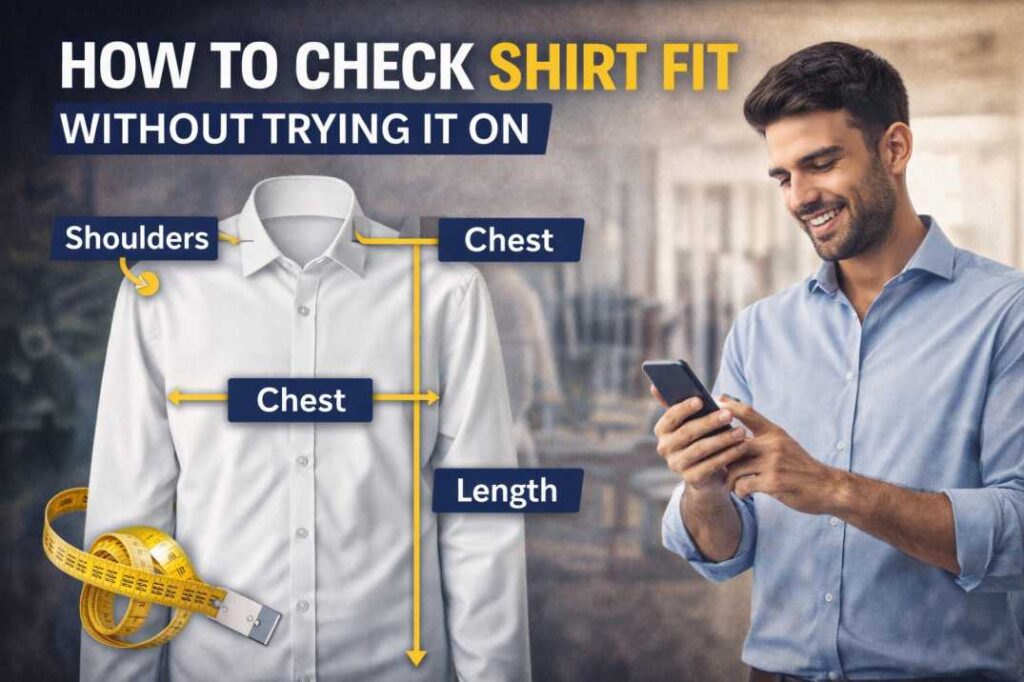
Buying a shirt without trying it on can feel risky. Whether you’re shopping online, purchasing a gift, or ordering in bulk, the biggest concern is always the same: Will it fit properly? A shirt may look great in photos, but if the fit is off, it won’t deliver comfort, confidence, or style.
The good news is that learning how to check shirt fit without trying it on is absolutely possible. With the right measurements, fabric understanding, and fit knowledge, you can make smart choices that closely match how the shirt will actually feel on your body.
This detailed guide will walk you step by step through everything you need to know—from reading size charts correctly to understanding shoulder seams, sleeve lengths, and fabric behavior—so you can confidently buy shirts without a trial room.
Why Shirt Fit Matters More Than Brand or Price
A well-fitting shirt instantly elevates your appearance. It makes you look sharper, more confident, and put-together—even if the shirt itself is simple. On the other hand, an ill-fitting shirt can ruin even the most premium fabric or expensive brand.
Proper fit affects:
Comfort throughout the day
Ease of movement
How formal or casual the shirt appears
How your body proportions look
This is why understanding how to check shirt fit before buying is essential, especially when shopping online.
Step 1: Know Your Body Measurements First
The foundation of checking shirt fit without trying it on is knowing your own measurements. Guessing your size based on “Medium” or “Large” alone is unreliable because sizing varies across brands.
Essential Measurements You Need
Chest
Measure around the fullest part of your chest, keeping the tape straight and relaxed. Do not puff your chest.Shoulder Width
Measure from the edge of one shoulder bone to the other, across the back.Sleeve Length
Measure from the shoulder seam point down to where you want the sleeve to end (wrist for full sleeves, mid-bicep for half sleeves).Shirt Length
Measure from the highest point of your shoulder (near the collar) down to your desired length.Neck Size
Especially important for formal shirts. Measure around the base of your neck with one finger’s space for comfort.
Write these numbers down and keep them saved. They are your reference for every shirt you buy.
Step 2: Understand the Brand’s Size Chart Properly
One of the most common mistakes people make when learning how to check shirt fit is ignoring the size chart or reading it incorrectly.
What to Look for in a Size Chart
Garment measurements, not body measurements
Units used (inches or centimeters)
Chest width (flat measurement multiplied by two)
Shoulder width measurement
Sleeve length and shirt length
Always compare the brand’s shirt measurements with a shirt you already own that fits you well.
Pro Tip
If your body chest measurement is 40 inches, the shirt’s chest should usually be 42–44 inches depending on whether you want a slim or regular fit. That extra room is called ease, and it’s crucial for comfort.
Step 3: Compare With a Well-Fitting Shirt You Already Own
This is one of the most accurate ways to check shirt fit without trying it on.
How to Do It
Lay your best-fitting shirt flat on a table and measure:
Chest (pit to pit, then multiply by two)
Shoulder seam to shoulder seam
Sleeve length
Shirt length
Now compare these numbers directly with the online size chart. This method often works better than comparing body measurements alone.
Step 4: Check Shoulder Fit First (Most Important Rule)
When it comes to shirts, shoulder fit cannot be fixed easily. Everything else—sleeves, waist, length—can often be altered, but shoulders define the structure of the shirt.
Ideal Shoulder Fit Without Trying
The shoulder seam should align with the edge of your shoulder bone
If the seam is too far in, the shirt will feel tight
If it drops too far down the arm, the shirt will look sloppy
When checking measurements, your shoulder width should closely match the shirt’s shoulder measurement, with a tolerance of about 0.5 inches.
Step 5: Understand Different Shirt Fits
Knowing the type of fit is essential when figuring out how to check shirt fit online.
Common Shirt Fits Explained
Slim Fit
Narrower chest and waist
Less fabric around the body
Best for lean or athletic builds
Regular Fit
Balanced room in chest and waist
Comfortable for most body types
Ideal for daily wear
Relaxed Fit
Extra room throughout
Maximum comfort
Suitable for casual or oversized styling
Always choose fit based on your body type and comfort preference, not just trends.
Step 6: Check Sleeve Length and Cuff Details
Sleeves dramatically affect how a shirt looks.
Full Sleeve Shirts
Sleeves should end at the wrist bone
Cuffs should allow one finger of space
Half Sleeve Shirts
Should end around mid-bicep
Too long looks outdated
Too short looks tight and restrictive
Always check sleeve length in the size chart instead of assuming standard lengths.
Step 7: Pay Attention to Shirt Length
Shirt length determines whether a shirt looks polished or awkward.
How to Judge Shirt Length Without Trying
Formal shirts should cover the waistband and a few inches below
Casual shirts can be slightly shorter
If you plan to tuck it in, longer length is safer
If the size chart includes front and back length, compare both with your existing shirt.
Step 8: Consider Fabric Type and Stretch
Fabric plays a major role in how a shirt fits and feels.
Common Fabrics and Fit Behavior
100% Cotton: Breathable but minimal stretch
Cotton Blends: Slight flexibility, easier fit
Elastane/Spandex Blends: Stretchy, forgiving fit
Linen: Relaxed fit, less structure
If a shirt has stretch, you can choose a slightly closer fit. If it has no stretch, allow extra room in the chest and shoulders.
Step 9: Read Product Descriptions Carefully
Good product descriptions provide valuable clues on how to check shirt fit.
Look for phrases like:
“Model is 6 ft wearing size M”
“Slim through the chest and waist”
“Designed for a tailored look”
“Relaxed silhouette”
Compare the model’s height and build with yours to estimate how the shirt might sit on you.
Step 10: Use Customer Reviews and Photos Wisely
Customer reviews often reveal real-world fit issues.
What to Look For
Comments like “runs small” or “true to size”
Reviews mentioning body type and size ordered
Customer-uploaded photos showing actual fit
Ignore vague reviews and focus on those with measurements and context.
Step 11: Know When to Size Up or Down
Understanding sizing adjustments is a key part of learning how to check shirt fit without trying it on.
When to Size Up
Broad shoulders
Muscular chest or arms
Non-stretch fabric
Preference for comfort
When to Size Down
Lean frame
Stretch fabric
Slim-fit design preference
If you’re between sizes, sizing up is usually safer.
Step 12: Collar and Neck Fit for Formal Shirts
For office and formal wear, collar fit is crucial.
Ideal Collar Fit
You should be able to fit one finger between neck and collar
Too tight causes discomfort
Too loose looks unprofessional
Always check neck size separately from chest size when buying formal shirts.
Step 13: Understand Alteration-Friendly Areas
If minor adjustments are needed, it helps to know what can be fixed.
Easy to Alter
Sleeve length
Waist taper
Shirt length
Hard to Alter
Shoulder width
Armhole depth
Chest width
This knowledge reduces risk when buying without trying.
Step 14: Fit Checklist Before You Buy
Before clicking “Buy Now,” mentally tick these boxes:
Shoulder width matches your measurement
Chest allows comfort ease
Sleeve length suits your preference
Shirt length matches usage (tuck or untuck)
Fabric type suits climate and comfort
Fit type matches your body shape
If most boxes are checked, the shirt is likely to fit well.
Common Mistakes to Avoid
Buying based only on size label
Ignoring shoulder measurements
Not considering fabric stretch
Assuming all brands fit the same
Overlooking shirt length
Avoiding these mistakes instantly improves online shirt shopping success.
Final Thoughts
Learning how to check shirt fit without trying it on is a skill that saves time, money, and frustration. By understanding measurements, fit types, fabric behavior, and size charts, you can confidently buy shirts that look tailored and feel comfortable—without stepping into a trial room.
Whether you’re shopping for workwear, casual styles, or special occasions, the right fit makes all the difference. With the steps in this guide, you’ll no longer rely on guesswork. Instead, you’ll make informed decisions that ensure every shirt you buy fits the way it should—clean, comfortable, and confident.
If you want, I can also: