
Introduction: Why This Question Matters More Than You Think
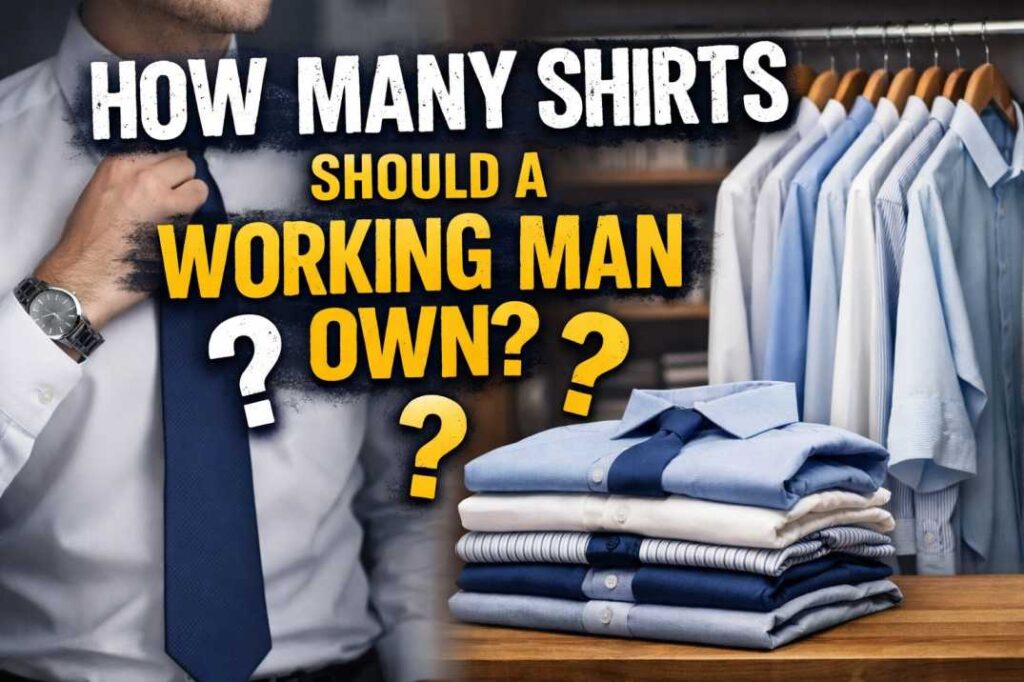
“How many shirts should a man own?” might sound like a simple wardrobe question, but for a working man, it’s closely tied to daily confidence, productivity, personal branding, and even finances. Too few shirts mean constant laundry stress, rushed outfit choices, and visible wear and tear. Too many shirts lead to clutter, wasted money, and decision fatigue every morning.
In today’s professional world—where first impressions, versatility, and comfort matter more than ever—building the right number of shirts is about balance, not excess. The ideal number depends on your work schedule, dress code, climate, lifestyle, and how you prefer to manage your wardrobe.
Featured Shirts You May Like
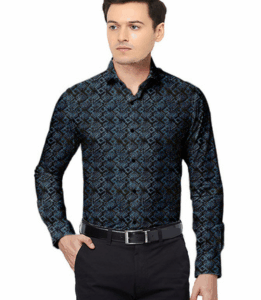
Shiffon Shirt For Man Cotton Formal Full Sleeve Spread Collar Size M Medium L Large Size Xl Extra Large Designed Two Colour Dark Blue & Sky Blue
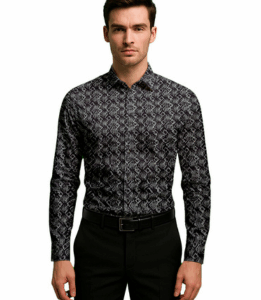
Shiffon Men’s Regular Fit Solid Soft Touch Cotton Casual & Formal Shirt | Spread Collar Full Sleeves Formal Shirt | Plain | Shirt for Men | Premium Cotton | Breathable Fabric , Black + White M – Medium, L – Large, XL – Extra Large
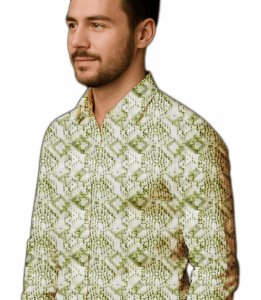
Shiffon Men’s Regular Fit Solid Soft Touch Cotton Casual & Formal Shirt | Spread Collar Full Sleeves Formal Shirt | Plain | Shirt for Men | Premium Cotton | Breathable Fabric , White + Green M – Medium, L – Large, XL – Extra Large
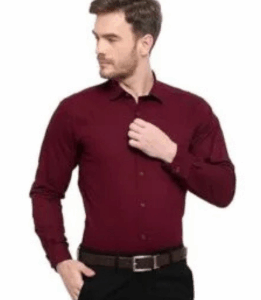
Shiffon Men’s Regular Fit Solid Soft Touch Cotton Casual & Formal Shirt | Spread Collar Full Sleeves Formal Shirt | Plain | Shirt for Men | Premium Cotton | Breathable Fabric ,Solid Plain Maroon M – Medium, L – Large, XL – Extra Large
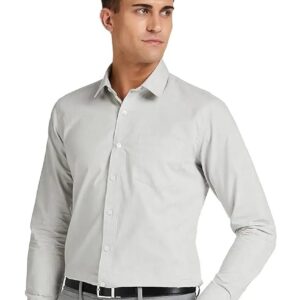
Shiffon Men’s Regular Fit Solid Soft Touch Cotton Casual & Formal Shirt | Spread Collar Full Sleeves Formal Shirt | Plain | Shirt for Men | Premium Cotton | Breathable Fabric ,Solid Plain Gray M – Medium, L – Large, XL – Extra Large
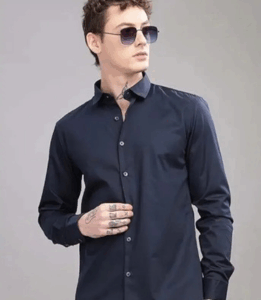
Shiffon Men’s Regular Fit Solid Soft Touch Cotton Casual & Formal Shirt | Spread Collar Full Sleeves Formal Shirt | Plain | Shirt for Men | Premium Cotton | Breathable Fabric ,Solid Plain Dark Blue, M – Medium, L – Large, XL – Extra Large
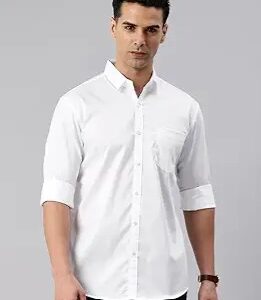
Shiffon Men’s Regular Fit Solid Soft Touch Cotton Casual & Formal Shirt | Spread Collar Full Sleeves Formal Shirt | Plain | Shirt for Men | Premium Cotton | Breathable Fabric ,Solid Plain White, M – Medium, L – Large, XL – Extra Large
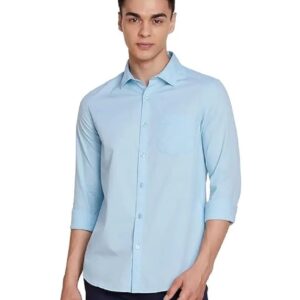
Shiffon Men’s Regular Fit Solid Soft Touch Cotton Casual & Formal Shirt | Spread Collar Full Sleeves Formal Shirt | Plain | Shirt for Men | Premium Cotton | Breathable Fabric ,Solid Plain Sky Blue, M – Medium, L – Large, XL – Extra Large
This guide breaks it all down in a practical, realistic way so you can finally answer the question: how many shirts should a man own to look sharp, feel comfortable, and stay prepared for every workday.
Understanding the Working Man’s Lifestyle
Before settling on a number, it’s important to understand what “working man” means today. Work environments are no longer one-size-fits-all. Some men work in formal corporate offices, others in business-casual setups, and many split time between office, client meetings, and remote work.
Key factors that influence shirt requirements include:
Number of working days per week
Office dress code (formal, business casual, casual)
Commute time and climate conditions
Frequency of laundry
Role and seniority (client-facing roles need more variety)
A man working five days a week in a formal office will naturally need more structured shirts than someone working hybrid or in a relaxed environment.
The Core Rule: One Shirt Per Workday, Plus Extras
As a baseline principle, a working man should own one clean shirt per workday, plus a few extra for rotation, emergencies, and variety.
For most professionals, this translates to 10–15 shirts as a practical minimum. This number allows you to dress well without overstuffing your wardrobe or repeating the same look too often.
However, this is just the foundation. Let’s go deeper.
Shirts for a 5-Day Office Schedule
For a standard Monday-to-Friday office routine, here’s a realistic breakdown.
Minimum functional wardrobe (10–12 shirts):
5–6 solid formal shirts for daily wear
3–4 business-casual shirts
1–2 backup or neutral shirts
This setup works if you do laundry once a week and don’t mind repeating a few styles.
Comfortable and flexible wardrobe (12–15 shirts):
6–7 formal shirts
4–5 business-casual shirts
2–3 versatile shirts that can work for meetings or after-hours
This range is ideal for most working professionals. It provides variety, reduces wear on individual shirts, and keeps you prepared for unexpected plans.
Shirts for a 6-Day or High-Intensity Work Schedule
If your job requires six working days or involves long hours, frequent meetings, or travel, you’ll need more flexibility.
Recommended range: 15–18 shirts
Why more?
Shirts wear out faster with frequent use
You may need outfit variety for clients
Sweat, pollution, and travel demand fresh options
In this case, having extra shirts is not about indulgence—it’s about maintaining professionalism consistently.
Hybrid and Work-From-Home Professionals
If you work from home part-time or have a hybrid schedule, the number changes.
Recommended range: 8–12 shirts
You’ll still need:
4–5 crisp shirts for office days and meetings
2–3 polished casual shirts for video calls
2–4 relaxed shirts for flexible days
Even when working remotely, dressing well impacts confidence and performance. Owning fewer but better shirts works best here.
Formal Shirts vs Casual Shirts: The Right Balance
Knowing how many shirts should a man own isn’t just about quantity—it’s about type.
A well-balanced working wardrobe usually looks like this:
60–70% formal or semi-formal shirts
30–40% casual or smart-casual shirts
Formal shirts anchor your professional image, while casual shirts provide comfort, versatility, and weekend usability.
Essential Shirt Types Every Working Man Should Own
Instead of buying randomly, focus on categories.
Classic formal shirts
White
Light blue
Pale grey
These are non-negotiable and work with almost any suit or trouser.
Business-casual shirts
Subtle stripes
Micro-checks
Soft pastels
Perfect for offices with relaxed dress codes.
Smart casual shirts
Oxford shirts
Linen blends
Solid darker tones
These transition easily from office to evening.
Seasonal shirts
Breathable cotton for summer
Slightly heavier weaves for winter
Seasonal rotation reduces wear and keeps you comfortable year-round.
Climate Matters More Than You Think
In warmer or humid climates, shirts absorb more sweat and require more frequent washing. This directly increases the number of shirts you should own.
If you live in a hot region:
Add 2–3 extra shirts to your base count
This helps maintain freshness and extends fabric life.
Laundry Frequency: A Hidden Deciding Factor
How often you do laundry has a big impact on shirt count.
Weekly laundry: Need more shirts
Twice-a-week laundry: Can manage with fewer
If laundry happens only on weekends, aim for at least one and a half weeks’ worth of shirts to stay stress-free.
Quality vs Quantity: Why Fewer Better Shirts Win
Owning 20 low-quality shirts often feels worse than owning 12 well-made ones.
High-quality shirts:
Last longer
Hold shape and color
Look sharper with minimal effort
Instead of constantly replacing worn-out shirts, investing in better craftsmanship saves money and wardrobe space over time.
The Cost Perspective: Smarter Spending
Buying the “right” number of shirts helps you avoid two costly mistakes:
Overbuying trends you rarely wear
Replacing cheap shirts too frequently
A thoughtfully planned wardrobe is more economical in the long run than impulse purchases.
Signs You Own Too Few Shirts
You rush laundry just to have something clean
You wear the same shirt twice in one week
Shirts fade or lose shape quickly
You feel unprepared for meetings
If this sounds familiar, you need to increase your count.
Signs You Own Too Many Shirts
Your wardrobe feels cluttered
You forget what you own
Some shirts go unworn for months
Decision-making feels harder, not easier
In this case, downsizing and refining your collection is the smarter move.
A Simple Formula to Decide Your Ideal Number
Here’s a practical way to calculate your personal answer to how many shirts should a man own:
Number of office days per week × 2
Add 2–3 shirts for variety
Add 1–2 for emergencies
For most working men, this lands between 12 and 15 shirts—the sweet spot of style, comfort, and efficiency.
Final Thoughts: Build a Wardrobe That Works for You
There’s no single perfect number that fits every man, but there is a smart range that fits most lifestyles. For the modern working professional, owning 12–15 well-chosen shirts strikes the ideal balance between practicality and style.
Instead of chasing trends or hoarding options, focus on fit, fabric, versatility, and rotation. When your shirts work for your life—not against it—you start every day feeling prepared, confident, and put together.
So when someone asks, how many shirts should a man own, you now know the real answer: enough to support your work, your comfort, and your confidence—without excess.