
Are Expensive Shirts Really Worth It? Honest Comparison
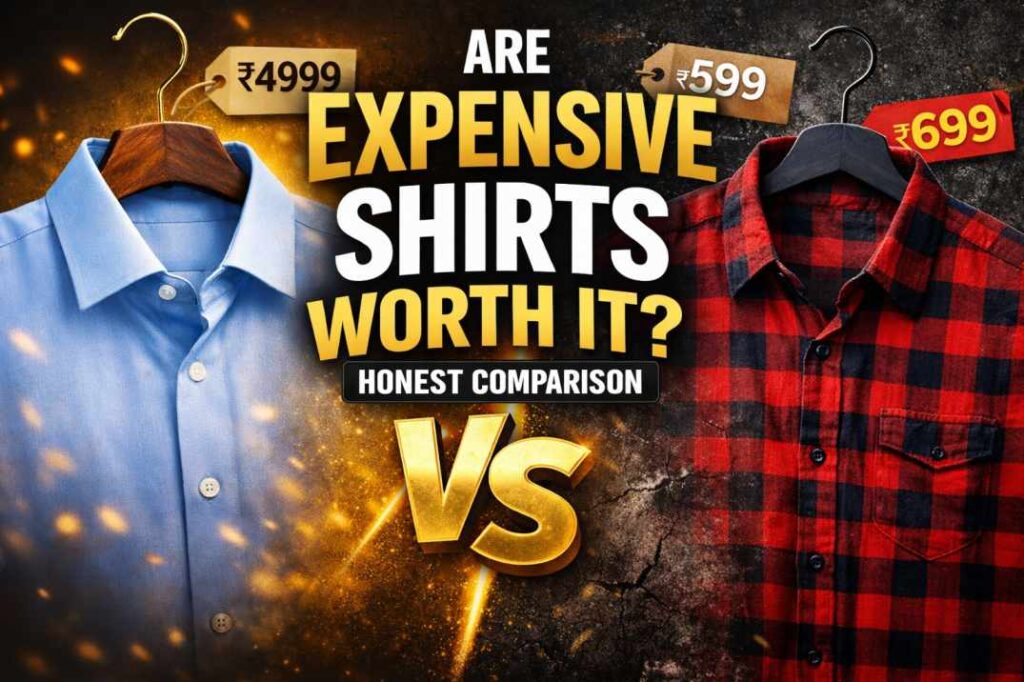
When shopping for shirts, most people face the same question at some point: are expensive shirts worth it? On one side, premium brands promise superior fabric, flawless fit, and long-lasting quality. On the other, affordable shirts claim to offer similar style at a fraction of the price. With prices ranging from a few hundred rupees to several thousand, it’s natural to wonder whether higher cost truly translates into better value—or if it’s just clever marketing.
This blog takes an honest, practical look at expensive versus affordable shirts. We’ll break down fabric quality, construction, fit, comfort, durability, style, cost per wear, and real-world use cases, so you can decide what makes sense for your wardrobe and lifestyle.
Featured Shirts You May Like
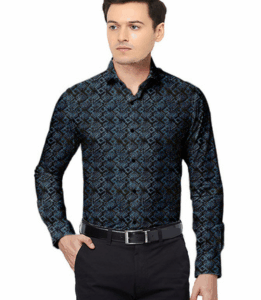
Shiffon Shirt For Man Cotton Formal Full Sleeve Spread Collar Size M Medium L Large Size Xl Extra Large Designed Two Colour Dark Blue & Sky Blue
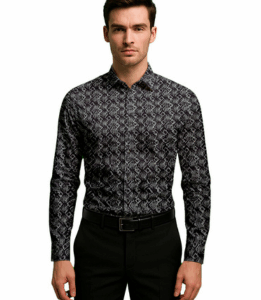
Shiffon Men’s Regular Fit Solid Soft Touch Cotton Casual & Formal Shirt | Spread Collar Full Sleeves Formal Shirt | Plain | Shirt for Men | Premium Cotton | Breathable Fabric , Black + White M – Medium, L – Large, XL – Extra Large
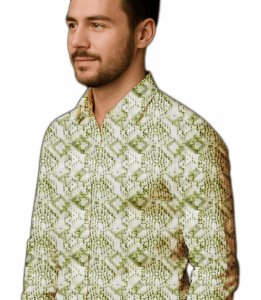
Shiffon Men’s Regular Fit Solid Soft Touch Cotton Casual & Formal Shirt | Spread Collar Full Sleeves Formal Shirt | Plain | Shirt for Men | Premium Cotton | Breathable Fabric , White + Green M – Medium, L – Large, XL – Extra Large
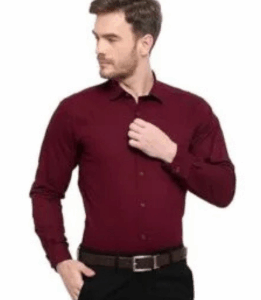
Shiffon Men’s Regular Fit Solid Soft Touch Cotton Casual & Formal Shirt | Spread Collar Full Sleeves Formal Shirt | Plain | Shirt for Men | Premium Cotton | Breathable Fabric ,Solid Plain Maroon M – Medium, L – Large, XL – Extra Large
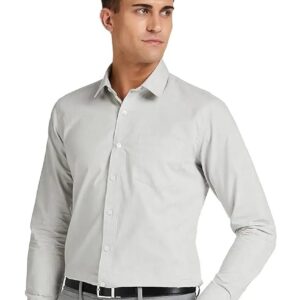
Shiffon Men’s Regular Fit Solid Soft Touch Cotton Casual & Formal Shirt | Spread Collar Full Sleeves Formal Shirt | Plain | Shirt for Men | Premium Cotton | Breathable Fabric ,Solid Plain Gray M – Medium, L – Large, XL – Extra Large
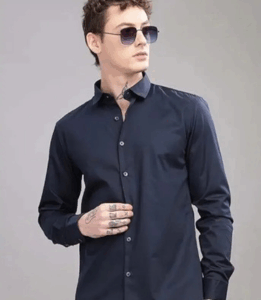
Shiffon Men’s Regular Fit Solid Soft Touch Cotton Casual & Formal Shirt | Spread Collar Full Sleeves Formal Shirt | Plain | Shirt for Men | Premium Cotton | Breathable Fabric ,Solid Plain Dark Blue, M – Medium, L – Large, XL – Extra Large
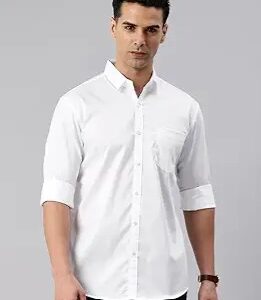
Shiffon Men’s Regular Fit Solid Soft Touch Cotton Casual & Formal Shirt | Spread Collar Full Sleeves Formal Shirt | Plain | Shirt for Men | Premium Cotton | Breathable Fabric ,Solid Plain White, M – Medium, L – Large, XL – Extra Large
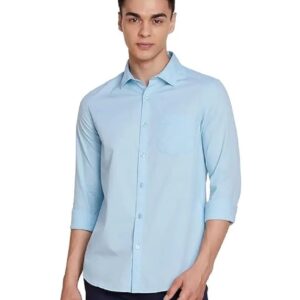
Shiffon Men’s Regular Fit Solid Soft Touch Cotton Casual & Formal Shirt | Spread Collar Full Sleeves Formal Shirt | Plain | Shirt for Men | Premium Cotton | Breathable Fabric ,Solid Plain Sky Blue, M – Medium, L – Large, XL – Extra Large
Understanding What “Expensive” Really Means in Shirts
Before deciding whether expensive shirts are worth it, it’s important to define what “expensive” actually covers. A higher price tag can come from several factors, including material quality, manufacturing process, brand positioning, and ethical practices.
Expensive shirts often involve premium natural fabrics, detailed tailoring, stronger stitching, better finishing, and more consistent sizing. In many cases, they are produced in smaller batches with greater attention to detail. Affordable shirts, by contrast, usually focus on mass production, cost efficiency, and trend-driven design.
The real question is not whether expensive shirts cost more—but whether the additional cost brings benefits that matter to you.
Fabric Quality: The Foundation of Any Shirt
Fabric is one of the biggest differences between expensive and budget shirts. Premium shirts typically use higher-grade raw materials and more refined weaving techniques.
High-end cotton shirts often use long-staple or extra-long-staple cotton. These fibers are smoother, stronger, and more resistant to pilling. As a result, the shirt feels softer on the skin and maintains its appearance after repeated washes. In contrast, lower-priced shirts may use short-staple cotton or blended fibers that feel rougher and wear out faster.
Thread count and yarn quality also play a role. Expensive shirts usually have tightly woven fabric that looks crisp and structured without feeling stiff. Cheaper shirts may feel thin or overly heavy to compensate for lower-quality fibers.
When asking are expensive shirts worth it, fabric quality alone can be a deciding factor—especially if comfort and longevity matter to you.
Construction and Stitching: Details You Feel Over Time
At first glance, two shirts may look similar. The difference becomes clear after months of wear. Expensive shirts are typically constructed with tighter stitching, reinforced seams, and carefully aligned patterns.
Premium shirts often feature higher stitch density, which improves durability and shape retention. Buttons are securely attached, sometimes with cross-stitching or thicker thread, reducing the chance of them falling off. Collars and cuffs are structured to hold their shape without curling or collapsing.
Affordable shirts may cut corners in construction. Loose stitching, uneven seams, and weak button attachments are common issues. These may not be noticeable immediately, but they show over time.
Good construction doesn’t just improve lifespan—it improves how a shirt sits on your body day after day.
Fit and Tailoring: Why Expensive Shirts Often Look Better
Fit is one of the most overlooked aspects of shirts. Expensive shirts usually come in more refined sizing options, with better proportions across shoulders, chest, sleeves, and length.
Premium brands invest in better pattern-making, which means the shirt drapes naturally instead of pulling or ballooning. Armholes are often higher and more precisely shaped, improving mobility and overall appearance. Sleeves are designed to sit correctly whether your arms are relaxed or moving.
Budget shirts often rely on generic sizing that aims to fit as many people as possible. This can result in awkward fits—tight in one area, loose in another. While tailoring can fix some issues, it adds extra cost that may narrow the price gap.
If you value a clean, polished look, especially for work or formal settings, fit alone can justify spending more.
Comfort: Daily Wear Makes the Difference
Comfort isn’t just about softness—it’s about breathability, flexibility, and how a shirt feels after hours of wear. Expensive shirts tend to excel here.
Higher-quality fabrics allow better airflow, which is especially important in warm or humid climates. Natural fibers absorb moisture and reduce that sticky, uncomfortable feeling during long days. Well-designed cuts also prevent pulling and restriction when you move.
Cheaper shirts may feel acceptable initially but can become uncomfortable over time, especially if the fabric traps heat or loses shape. For people who wear shirts all day—at offices, events, or travel—comfort quickly becomes a priority.
When asking are expensive shirts worth it, think about how many hours you actually spend wearing them.
Durability and Longevity: Cost Over Time
One of the strongest arguments in favor of expensive shirts is durability. A well-made premium shirt can last for years with proper care, while cheaper shirts may fade, shrink, or lose shape within months.
Color retention is another factor. Expensive shirts often use better dyeing techniques, helping colors stay rich and consistent even after multiple washes. Cheaper shirts may fade unevenly or develop a dull appearance.
When evaluating value, cost per wear matters more than the initial price. A shirt that costs more but lasts five times longer can be more economical in the long run.
Style and Timelessness: Trends vs Longevity
Expensive shirts often focus on classic design rather than short-lived trends. Clean lines, balanced proportions, and neutral tones make them easy to wear year after year. This timeless appeal adds to their value.
Affordable shirts often chase fast fashion trends, which may look outdated quickly. While trend-based shirts are fun and expressive, they don’t always age well in your wardrobe.
If your goal is to build a versatile collection that works across seasons and occasions, investing in timeless pieces can make sense.
Brand Value and Perception
Branding plays a role in pricing, but it’s not always meaningless. Reputable brands often maintain consistent quality standards, reliable sizing, and predictable fit. This reduces the risk of disappointment when purchasing.
However, not all expensive shirts are equal. Some brands charge primarily for their name rather than superior quality. Being an informed buyer—checking fabric details, stitching quality, and reviews—helps you avoid overpaying.
The key is to pay for craftsmanship and materials, not just a label.
Affordable Shirts: When They Make Sense
This honest comparison wouldn’t be complete without acknowledging that affordable shirts have their place. Not every situation demands a premium shirt.
For occasional wear, experimental styles, or fast-changing fashion preferences, budget shirts can be practical. They allow you to explore colors, prints, and trends without a major investment.
Affordable shirts are also useful for casual settings where durability and refinement are less critical. The question isn’t whether cheap shirts are bad—it’s whether they suit your specific needs.
Mixing Expensive and Affordable Shirts in One Wardrobe
A smart approach for most people is balance. You don’t need an all-premium or all-budget wardrobe.
Invest in expensive shirts for situations where fit, comfort, and appearance matter most—work, formal events, important meetings. Choose affordable shirts for casual outings, travel, or trend-driven looks.
This strategy gives you flexibility while maximizing value.
Maintenance and Care: Protecting Your Investment
Whether expensive or affordable, proper care affects how long a shirt lasts. Premium shirts often require gentler washing, lower heat, and careful ironing to preserve fabric quality.
Following care instructions ensures you get the most out of your purchase. In this sense, expensive shirts reward mindful ownership, while cheaper shirts may tolerate rougher handling but wear out faster.
Psychological Value: Confidence and Experience
Clothing doesn’t just cover the body—it affects how you feel. Many people report feeling more confident and put-together in well-made shirts. The way fabric drapes, the way a collar sits, and the overall finish contribute to that experience.
While confidence is subjective, it’s a real factor in perceived value. If a premium shirt makes you feel sharper and more comfortable, that benefit may outweigh the cost.
So, Are Expensive Shirts Worth It?
The answer depends on what you value most. If you prioritize comfort, fit, durability, and timeless style, expensive shirts are often worth the investment. They deliver consistent quality, age gracefully, and provide better cost per wear over time.
If your needs are casual, trend-focused, or occasional, affordable shirts can serve you just as well. The smartest choice isn’t choosing one over the other—it’s understanding when each option makes sense.
Ultimately, are expensive shirts worth it is not a yes-or-no question. It’s about aligning your purchase with your lifestyle, expectations, and how you want to feel when you wear your clothes.
A well-chosen shirt—expensive or affordable—is one that fits well, feels good, and makes you confident every time you put it on.